What Is Digital Marketing? A Beginner’s Guide to Growing Your Business Online
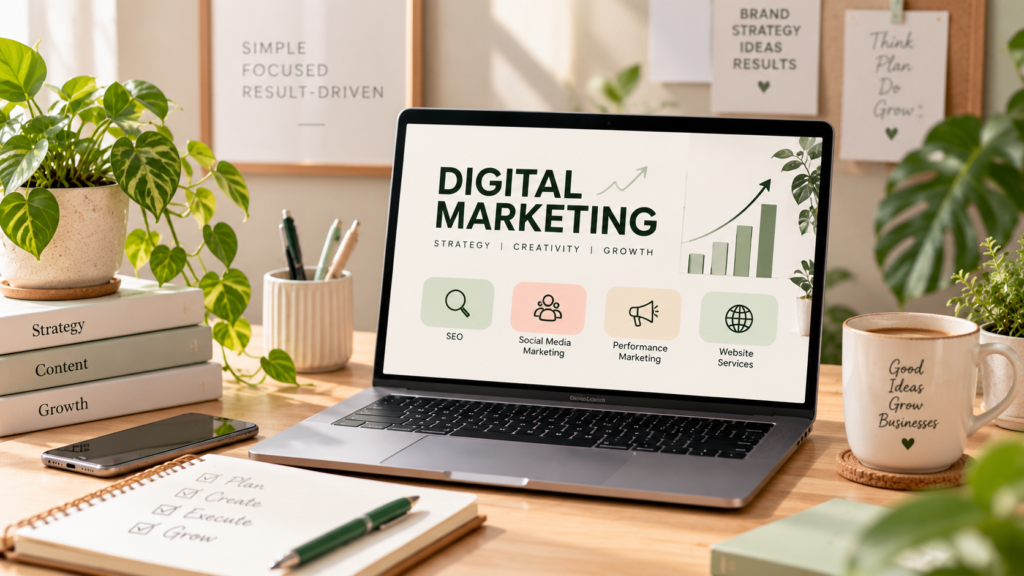
Understanding Digital Marketing in Today’s Online World In today’s digital world, customers often search on Google, browse social media, watch online videos, and visit websites before deciding which products or services to choose. For small businesses, startups, and freelancers, having an online presence is an important step towards connecting with these potential customers. But how can you make your business visible online? How do you attract the right audience, build trust, and encourage people to choose your products or services? The answer begins with understanding what digital marketing is and how to use it effectively. Digital marketing helps businesses promote their products and services through online channels such as search engines, websites, social media, email, and digital advertising. When planned carefully, it can help businesses improve visibility, build customer relationships, and generate enquiries. Whether you are starting a small business, running a local shop, or working as a freelancer, this beginner-friendly guide will help you understand digital marketing, explore its different types, and discover practical ways to grow your business online in 2026. What Is Digital Marketing? Digital marketing is the process of promoting products, services, or brands using digital channels and technologies to reach and engage potential customers. Unlike traditional marketing methods, such as newspaper advertisements, printed flyers, and billboards, digital marketing uses online platforms to communicate with audiences, share information, and encourage action. For example, imagine you own a small plant shop. You could create a website displaying your plants, publish articles about plant care, share photos on Instagram, and run Google Ads to reach people searching for indoor plants. These activities are all examples of digital marketing. The main goals of digital marketing include: Increasing brand awareness. Improving online visibility. Reaching relevant audiences. Generating leads and enquiries. Increasing sales and conversions. Building long-term customer relationships. Digital marketing does not mean using every online platform. It means selecting the channels that best suit your business goals, target audience, and budget. Why Is Digital Marketing Important in 2026? Customers increasingly use online platforms to research businesses, compare options, and make purchasing decisions. A thoughtful digital marketing strategy can help businesses become easier to discover and communicate their value more effectively. Here are some important benefits of digital marketing. 1. Reaches the Right Audience Digital marketing allows businesses to focus on people who are more likely to be interested in their products or services. For example, a local bakery can promote its custom cakes to customers in its service area rather than advertising to people who cannot reasonably place an order. 2. Builds Brand Awareness Regularly publishing useful content, maintaining a professional website, and sharing relevant social media posts help people become familiar with your brand. Over time, consistent communication can help customers recognise your business and understand what makes it different. 3. Improves Online Visibility Search engine optimisation, helpful blog content, social media activity, and local business listings can make it easier for potential customers to discover your business online. For example, a freelance website designer can create a useful article about website design for small businesses to answer questions from potential clients. 4. Generates Leads and Enquiries Digital marketing can encourage interested people to contact your business through website forms, email, phone calls, or messaging platforms. A clear call to action, such as “Request a Quote” or “Book a Consultation,” helps visitors understand what to do next. 5. Helps Measure Performance Digital marketing tools allow you to monitor useful metrics such as website visits, clicks, enquiries, conversions, and advertising costs. This information helps you understand which activities are performing well and where improvements may be needed. 6. Supports Small Business Competitiveness Small businesses do not always have the budgets of large companies. However, they can use focused content, local SEO, and carefully selected marketing channels to reach relevant audiences. Results depend on competition, strategy, budget, and execution, but businesses can start small and improve their approach over time. 7. Strengthens Customer Relationships Email newsletters, social media conversations, helpful articles, and timely responses allow businesses to stay connected with customers beyond the initial purchase. The result can be a more useful and consistent customer experience. What Are the Main Types of Digital Marketing? There are several types of digital marketing, and each serves a different purpose. Understanding them will help you choose the most appropriate methods for your business. 1. Search Engine Optimisation (SEO) Search Engine Optimisation (SEO) is the process of improving a website so that its pages can be discovered more easily through relevant search results. SEO focuses on attracting visitors who are searching for information, products, or services related to your business. Important SEO activities include: Keyword research: Understanding what your target audience searches for. On-page SEO: Improving headings, page titles, content, and image alt text. Technical SEO: Helping search engines access, crawl, and understand your website. Local SEO: Improving visibility for relevant location-based searches. Example: A bakery in Bengaluru could publish a helpful page about custom birthday cakes in its service area to reach people looking for those products. SEO can support long-term visibility, but improvements usually require ongoing work and are not guaranteed to produce immediate rankings. 2. Social Media Marketing (SMM) Social media marketing uses platforms such as Instagram, Facebook, LinkedIn, and YouTube to share content, build brand awareness, and engage with potential customers. It can involve organic content, community management, influencer collaborations, and paid promotions. Example: A handmade jewellery business can post product photographs, share styling videos, answer customer questions, and direct interested visitors to its website. The key is to choose platforms that suit your audience and create content that provides value rather than simply promoting products in every post. 3. Search Engine Marketing and Pay-Per-Click Advertising (SEM/PPC) Paid search advertising allows businesses to display advertisements to people searching for relevant products or services. With pay-per-click (PPC) advertising, advertisers generally pay when someone clicks their ad. Google Ads is one commonly used platform. For example, a website designer might run a campaign targeting people searching for website design services
What Is Digital Marketing? A Beginner’s Guide to Growing Your Business Online Read More »