
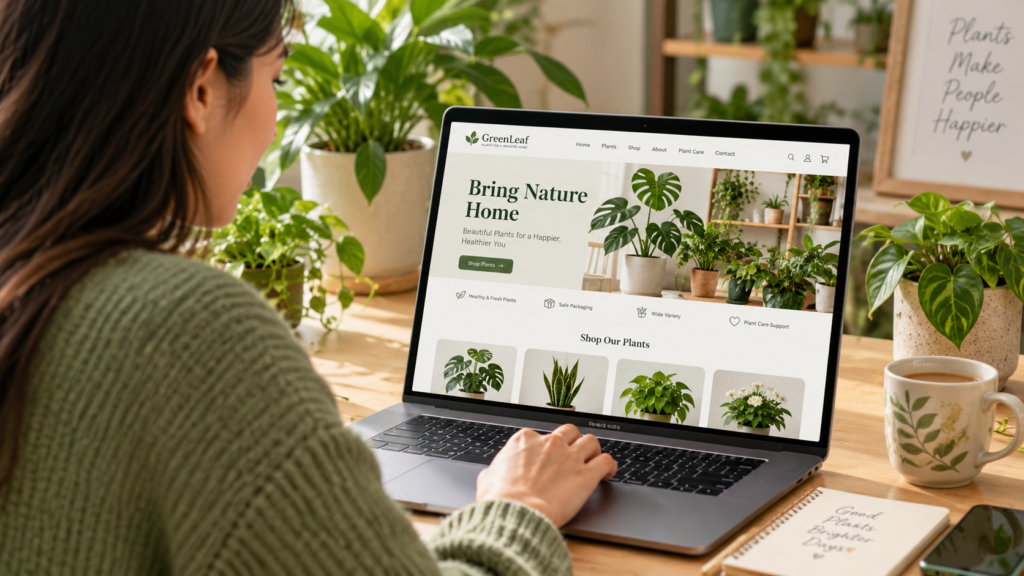
The Importance of a Professional Website
Running a small business in today’s digital world can be challenging. Whether you own a local shop, run a home-based business, offer professional services, or work as a freelancer, attracting new customers and building trust are essential for growth.
Many small businesses depend on social media platforms such as Instagram and Facebook to promote their products and services. While social media is useful for reaching people, it may not be enough to establish a strong online presence.
This is where a professional website for a small business becomes important. A website helps potential customers discover your business, understand what you offer, learn about your brand, and contact you when they need your products or services.
You do not need a large budget or a complicated website to get started. A simple, well-designed website can help your business look professional and create opportunities for future growth.In this article, we will explore why every small business needs a professional website, its key benefits, and the essential features that make a website effective.
In this article, we will explore why every small business needs a professional website, its key benefits, and the essential features that make a website effective.
A professional website is an online platform that represents your business and provides visitors with useful information about your products, services, brand, and contact details.
It is designed to offer a smooth user experience, communicate your business value clearly, and help visitors take action, such as making an enquiry, booking an appointment, or purchasing a product.
A professional website generally includes:
A clear homepage introducing your business.
An About page explaining your background and values.
A Services or Products page describing what you offer.
A Contact page with your email address, phone number, or enquiry form.
A blog section for sharing useful information and improving organic search visibility.
Unlike a basic social media page, a website gives you greater control over your content, structure, branding, and customer journey.

8 Benefits of Having a Professional Website for Small Businesses
1. Builds Credibility and Trust
First impressions matter when potential customers discover your business online. A professional website helps communicate that your business is established, organised, and serious about serving its customers.
Visitors can explore your services, read about your experience, review testimonials, and find your contact information in one place.
For example, if someone is looking for a freelance digital marketer, a website displaying services, portfolio samples, and client feedback can help them understand the marketer’s expertise before getting in touch.
A well-maintained website does not automatically guarantee trust, but it gives customers useful information to evaluate your business.
2. Improves Online Visibility
One of the biggest advantages of having a website is the opportunity to appear in relevant Google search results.
When people search for products or services, they often use specific phrases such as “bakery near me,” “affordable website designer,” or “digital marketing services for small businesses.”
With effective Search Engine Optimisation (SEO), your website can become more discoverable to people searching for what you offer.
To improve visibility, focus on:
Using relevant keywords naturally in your website content.
Writing useful, original blog articles.
Optimising page titles and meta descriptions.
Creating helpful headings and descriptive image alt text.
Ensuring your website works well on mobile devices.
Maintaining accurate business information.
SEO takes time, and rankings are not guaranteed. However, consistent optimisation can help your website attract relevant organic traffic over time.
3. Reaches More Potential Customers
A physical shop generally serves customers within its surrounding area, while a website can introduce your business to people beyond your immediate neighbourhood.
For example, a handmade jewellery business can showcase its products online to customers in different cities. Similarly, a freelance graphic designer can display a portfolio and connect with clients without needing a physical office.
If you operate a local business, combining your website with a well-maintained Google Business Profile can also help nearby customers find your location, opening hours, and services.
Your website makes it easier for interested people to discover your business wherever they are searching.
4. Showcases Your Products and Services
A website provides a dedicated space to explain your offerings in detail.
Instead of relying on social media posts that may become difficult to find later, you can organise your products and services into clear sections.
For example:
A bakery can display its menu, speciality cakes, and custom-order options.
A beauty salon can list treatments, prices, and appointment details.
A consultant can explain areas of expertise and professional experience.
A digital marketing freelancer can showcase SEO, social media marketing, performance marketing, and website services.
High-quality images, clear descriptions, and useful information help visitors understand what makes your business different.
5. Generates Leads and Customer Enquiries
A website can help turn visitors into potential customers when it makes the next step easy.
You can include contact forms, enquiry buttons, appointment booking options, email links, and WhatsApp contact links where appropriate.
For example, a customer visiting a website design service page might click a “Get a Quote” button and submit their project requirements.
To encourage enquiries, use clear calls to action such as:
Get Started
Request a Quote
Book a Consultation
Contact Us
Let’s Grow Your Business Online
Keep forms simple and ask only for the information you need. A clear process reduces friction and makes it easier for interested visitors to contact you.
6. Provides Information 24/7
Unlike a physical shop with fixed opening hours, your website can provide useful business information at any time.
Potential customers can explore your services, read your blog articles, check frequently asked questions, and find contact details even when you are not available to respond immediately.
For example, a home-based cake business can display its available cake flavours, order process, and delivery information online. Customers can review these details before contacting the owner.
Although you may not be able to answer every enquiry instantly, your website continues to serve as an information resource outside business hours.
7. Supports Your Digital Marketing Strategy
A website acts as a central destination for your digital marketing activities.
You can direct people from social media posts, online advertisements, email campaigns, and search results to relevant pages on your website.
For example, a small clothing business running an Instagram promotion can direct visitors to a dedicated collection page rather than asking them to search through multiple social media posts.
Your website can also support:
SEO: Attracting relevant visitors through organic search.
Social media marketing: Directing followers to products, services, and blog articles.
Performance marketing: Sending paid advertising traffic to relevant landing pages.
Content marketing: Publishing helpful articles that answer customer questions.
Email marketing: Sharing useful content and directing subscribers to your website.
Together, these activities can help create a more consistent customer journey.
8. Gives You Greater Control Over Your Online Presence
Social media platforms are useful, but their layouts, features, algorithms, and policies can change. Your reach may also fluctuate over time.
A website gives you more control over how your business is presented and how visitors navigate your content.
You can choose your branding, organise your pages, publish articles, display your portfolio, and update your services as your business develops.
For small business owners, this flexibility is valuable because the website can grow alongside the business.
It is still important to maintain backups, keep software updated, and protect customer information. A website works best as part of a broader online presence rather than as a replacement for every other marketing channel.
Essential Features of a Professional Small Business Website

Creating a website is only the first step. To make it useful for your business and visitors, focus on the following essential features.
1. Mobile-Friendly Design
Many people browse websites using smartphones. Your website should adjust to different screen sizes, making text readable, images clear, and buttons easy to tap.
2. Fast Loading Speed
Visitors may leave if a website takes too long to load. Optimise images, avoid unnecessary plugins, and choose reliable hosting to improve website performance.
3. Simple Navigation
Make it easy for visitors to find important information. Use a clear menu with pages such as Home, About Me, Services, Blog, and Contact.
4. SEO-Friendly Content
Write helpful content that answers your customers’ questions. Use descriptive headings, relevant keywords, meaningful page titles, and clear meta descriptions.
5. Clear Calls to Action
Guide visitors towards the next step with buttons such as “Get Started,” “Explore Services,” or “Contact Me.”
6. Contact Information and Enquiry Forms
Make it easy for customers to reach you. Include your business email address, relevant contact details, and a simple enquiry form.
7. Secure and Accessible Design
Use HTTPS, keep your website software updated, and make sure text has sufficient contrast and images have appropriate alternative text. These practices help support security and usability.
How Can Small Businesses Start With an Affordable Website
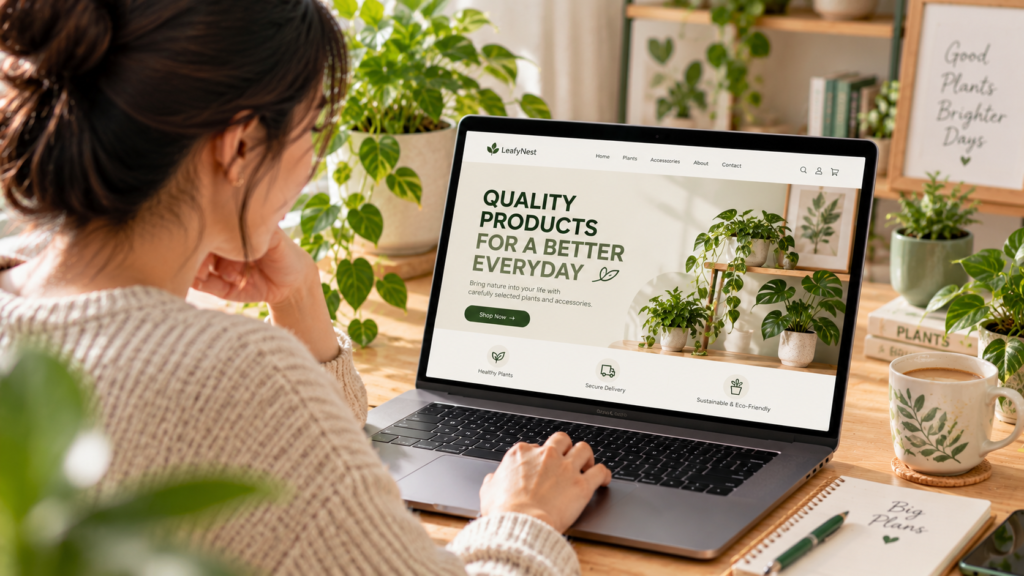
Many small business owners believe that building a professional website requires a large investment. However, you can start with a simple website and expand it as your business grows.
Here is a practical approach:
Define your goal: Decide whether you want to generate enquiries, sell products, showcase services, or attract local customers.
Choose a domain name: Select a memorable domain that represents your business.
Select a website platform: WordPress is one option that offers flexibility for many small business websites.
Create essential pages: Start with a homepage, About page, Services page, and Contact page. Add a blog if you plan to publish helpful content.
Optimise for SEO: Use relevant keywords and write useful content that matches what your audience is searching for.
Test before launching: Check your website on mobile and desktop, test all links and forms, and review loading speed.
Improve gradually: Add new pages, publish articles, and enhance features as you learn more about your customers.
Remember that the overall cost depends on your domain, hosting, design requirements, functionality, maintenance, and whether you build the website yourself or hire a professional.
An affordable website can still look professional when it is thoughtfully designed, easy to navigate, and focused on customer needs.
How I Can Help Your Small Business Grow Online
As a freelance digital marketing professional, I believe that a strong online presence begins with understanding your business goals and your target audience.
A website becomes more effective when it is supported by a clear digital marketing strategy. My services are designed to help businesses strengthen their online presence and connect with the right audience.
Here is how my services can support your business:
SEO Services: Improve your website’s structure and content to support organic search visibility.
Social Media Marketing: Build brand awareness, engage your audience, and direct relevant traffic to your website.
Performance Marketing: Plan data-driven advertising campaigns designed around your business objectives.
Website Services: Create or improve a professional online presence that communicates your services clearly and makes it easy for potential customers to contact you.
If you are planning to build a website or improve your existing online presence, explore my Digital Marketing Services to learn more about how I can support your business goals.
Conclusion: Build Your Business Online With a Professional Website
A professional website is more than just an online address. It is a platform where potential customers can discover your business, learn about your services, understand your value, and take the next step towards working with you.
From building credibility and improving online visibility to generating enquiries and supporting digital marketing campaigns, a well-planned website can become a valuable part of your business growth strategy.
You do not need to build everything at once. Start with the essential pages, focus on your customers’ needs, and improve your website as your business develops.
Ready to grow your business online?
Let’s build a stronger online presence for your business. Whether you need website services, SEO, social media marketing, or performance marketing, I can help you explore the right digital marketing solutions for your goals.
Visit anshitabailung.com and get in touch to discuss your project.
Frequently Asked Questions (FAQs)
1. Why does a small business need a professional website?
A professional website helps a small business build credibility, showcase its products or services, improve online discoverability, and make it easier for potential customers to get in touch.
2. How much does a small business website cost?
The cost depends on the website platform, domain, hosting, design, features, and maintenance requirements. A simple website can be more affordable than a complex e-commerce website.
3. Can a small business grow without a website?
Yes. A business can attract customers through social media, referrals, marketplaces, and other channels. However, a website provides greater control over its online presence and creates another way for customers to discover and contact the business.
4. Is WordPress a good choice for small business website development?
WordPress can be a good choice because it offers customisation options, blogging features, and a wide range of themes and plugins. The best choice depends on your budget, technical requirements, and business goals.
5. How can a website help a small business get more customers?
A website can help attract relevant visitors through SEO, provide useful information, showcase products and services, and encourage enquiries through clear calls to action. Results depend on your website quality, competition, and marketing efforts.